
About Chiller Logistics — Reliable Refrigerated Transport Company in Abu Dhabi and Dubai
Chiller Logistics is a refrigerated transport company based in Abu Dhabi & Dubai, founded in March 2012 and owned by Hafiz Waqar Ahmad. We move temperature-sensitive goods — food, dairy, poultry, meat and seafood, flowers and frozen products — for businesses across Abu Dhabi, Dubai and the wider UAE. What started as six vans running local deliveries has grown into one of the emirate’s larger cold chain operations, built on owned vehicles, in-house maintenance and a straightforward principle: a cold chain either holds for the whole journey or it doesn’t hold at all.
Today we run a fleet of more than 180 vehicles across five categories, from chiller and freezer vans to multi-ton and dual-zone refrigerated trucks, every one maintained and operated to HACCP food-safety standards and verified by ADAFSA for food transport in Abu Dhabi. Our dispatch runs 24 hours a day, seven days a week, and fourteen years of continuous operation means the routes, receiving-bay requirements and compliance demands of this market are familiar ground.
Want to know how we can support your cold chain? Get in touch with our team.
Our Story — From Six Vans to a 180+ Vehicle Fleet
Chiller Logistics began in March 2012 with six chiller vans and a small book of local work in Abu Dhabi — dairy deliveries, pharmacy runs and short-route perishable jobs for customers within the emirate. Four months later the first Dubai routes were added, and the two cities have been served side by side ever since.
Growth came from the customers already on the books. Accounts that started with a single van needed two, then a daily route, then more volume than one vehicle could carry, and the referrals that followed brought work of the same kind. The response was to add vans rather than promises, keeping the standard of handling that had won the work in the first place. By the fourth year the demand had outgrown van capacity altogether, and in 2016 the first chiller trucks entered the fleet.
Freezer vans and freezer trucks followed as frozen cargo became a larger share of the work, and dual-zone refrigerated trucks were added for customers moving chilled and frozen loads on the same run. The fleet now stands at more than 180 vehicles across five classes, from 1-ton vans to 10-ton trucks, maintained in-house. Fourteen years on, the base is still Abu Dhabi and the ownership has not changed.

Meet The Founder of Chiller Logistics — Hafiz Waqar Ahmad
Chiller Logistics was founded by Hafiz Waqar Ahmad in March 2012. The reason was the climate. UAE summers put temperature-sensitive goods at risk in ways that general transport was not equipped to handle, and businesses moving food, dairy and other perishables were absorbing losses through the hottest months of the year — losses that came down to vehicles and handling, not bad luck.
He still owns and runs the company, with direct oversight of the fleet, maintenance and daily dispatch. Decisions about which vehicles enter the fleet and how they are maintained are made in-house rather than delegated out.
“We understand that every shipment carries your brand’s reputation. That’s why every chiller van, freezer truck, and multi-temp vehicle in our wide range of fleet is engineered and maintained to exact thermal standards. From Abu Dhabi to Dubai and beyond, we don’t just rent vehicles — we deliver peace of mind for your business.”
— Hafiz Waqar Ahmad, Founder & Managing Director
Our Fleet — 180+ Temperature-Controlled Vehicles
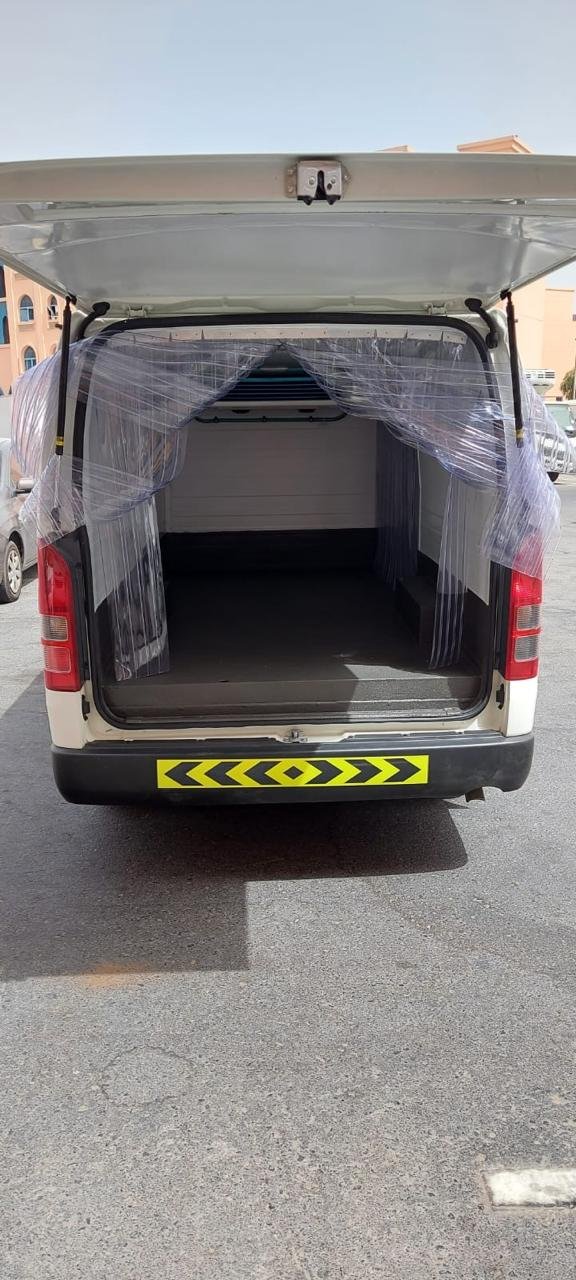
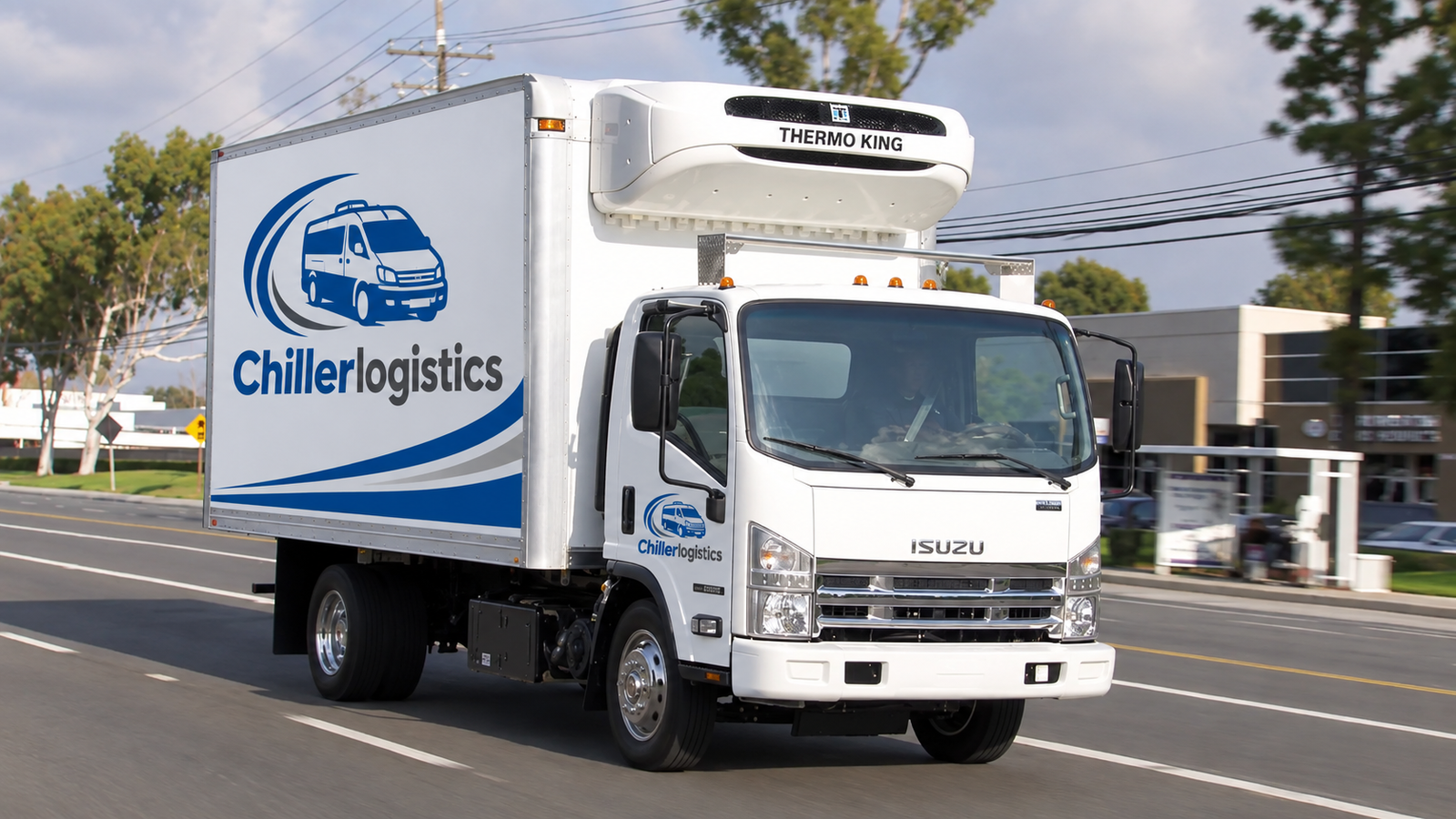
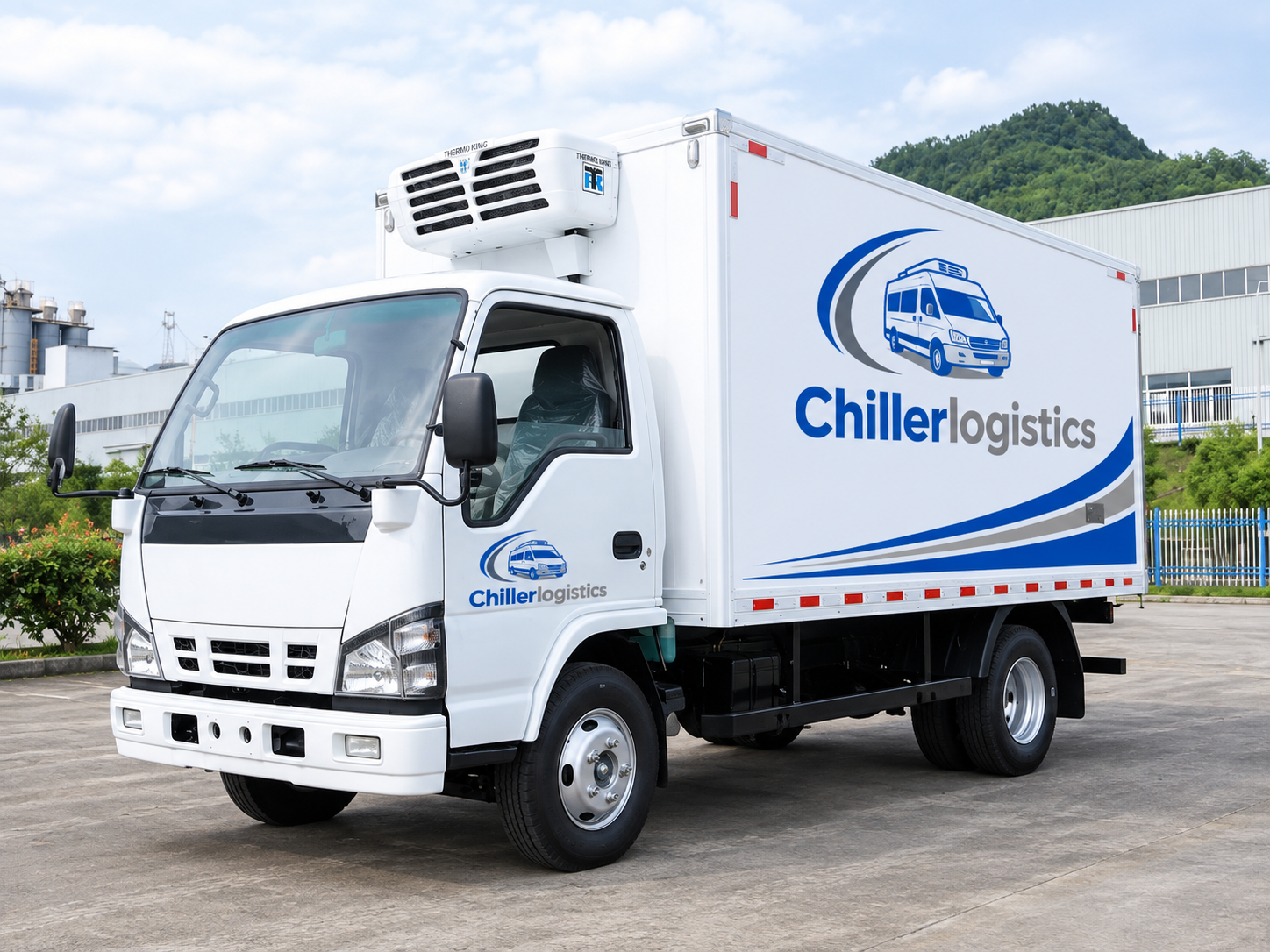
The fleet runs to more than 180 vehicles across five classes, covering 1-ton vans through to 10-ton trucks and the full temperature range from chilled to deep-freeze. Every vehicle is owned rather than leased in, and maintenance is handled in-house at our Abu Dhabi yard — refrigeration units, insulation and vehicle servicing all on site, which is what keeps availability predictable when a unit needs attention.
- Chiller Vans — 80 vehicles · 0°C to +8°C · standard and high roof, 1–2 ton
- Freezer Vans — 60 vehicles · −18°C to −22°C · standard and high roof, 1–2 ton
- Chiller Trucks — 24 vehicles · 0°C to +8°C · 3, 5, 7 and 10 ton
- Freezer Trucks — 12 vehicles · −18°C to −25°C · 3, 5, 7 and 10 ton
- Refrigerated Trucks (Dual-Zone) — 4 vehicles · multi-temperature · 3, 5, 7 and 10 ton
That fleet serves two kinds of customers. Some take the vehicle and run it on their own routes with their own people — that is our refrigerated vehicle rental side of the business. Others hand over the cargo, the route and the temperature requirement and we carry out the delivery ourselves — that is our refrigerated transport services. The same vehicles, drivers and food-safety standards apply either way.
Our Certifications & Compliance
Every vehicle in the fleet is HACCP-certified, and the fleet is ADAFSA-verified for food transport in Abu Dhabi. Both are working requirements rather than wall decorations.
HACCP governs how the vehicle itself is built and kept. Food-grade interior surfaces, sanitation before loading, temperature control held within the range the cargo requires, and records of that discipline maintained by the operator. It is what makes the vehicle fit to carry food at all.
ADAFSA verification is what the receiving end checks. Hotels, hospitals, hypermarkets and institutional kitchens in Abu Dhabi will not accept a food delivery from an unverified vehicle, and a load turned away at the gate is a loss the supplier absorbs, not the carrier. Verification is what keeps that from happening.
Maintaining both means the standard has to hold on every vehicle, on every job — not on the day of an inspection.
Areas Where We Operate In UAE
Abu Dhabi is where the company is based and where the majority of its work sits. Vehicles dispatch from the emirate itself, which shapes how the operation runs day to day: shorter positioning distances, same-day turnarounds on city and industrial-zone jobs, and drivers who know the industrial areas, port zones, island venues and the Al Ain and Western Region routes without needing directions.
Dubai has been part of the operation since mid-2012 — four months after the company started — and is the second market rather than a later addition. Fourteen years of running that corridor is why the Abu Dhabi–Dubai line is a scheduled part of the week rather than a special arrangement, and why work inside Dubai itself is handled on established routes rather than one-off trips.
Scheduled routes also reach Sharjah, Ajman, Ras Al Khaimah, Fujairah and Umm Al Quwain.
Want to know how we can support your cold chain in your area? Talk to our team.
How We Work — and Where We're Going
Fourteen years in, the operating principle has not changed: a vehicle either holds its temperature for the whole journey or the job has failed, and no amount of scheduling makes up for that. It is why maintenance is kept in-house rather than contracted out, why vehicles are owned rather than leased in, and why certification is treated as a daily operating standard instead of an annual formality.
Reliability is measured the same plain way. The vehicle arrives when it was promised, the cargo is at the temperature it was booked at, and the load clears the receiving bay without a conversation. Fleet depth is what makes that repeatable — a substitute vehicle exists when one is needed, so a customer’s route does not stop because a single unit is off the road.
The plan ahead is not a change of direction. It is to hold that standard as the fleet grows, and to keep cold chain transport within reach of the businesses that need it — the single restaurant and the small distributor as much as the supermarket group. A certified vehicle at a workable rate, available when it is asked for, is what most operations actually need, and it is what the fleet is sized to provide.